
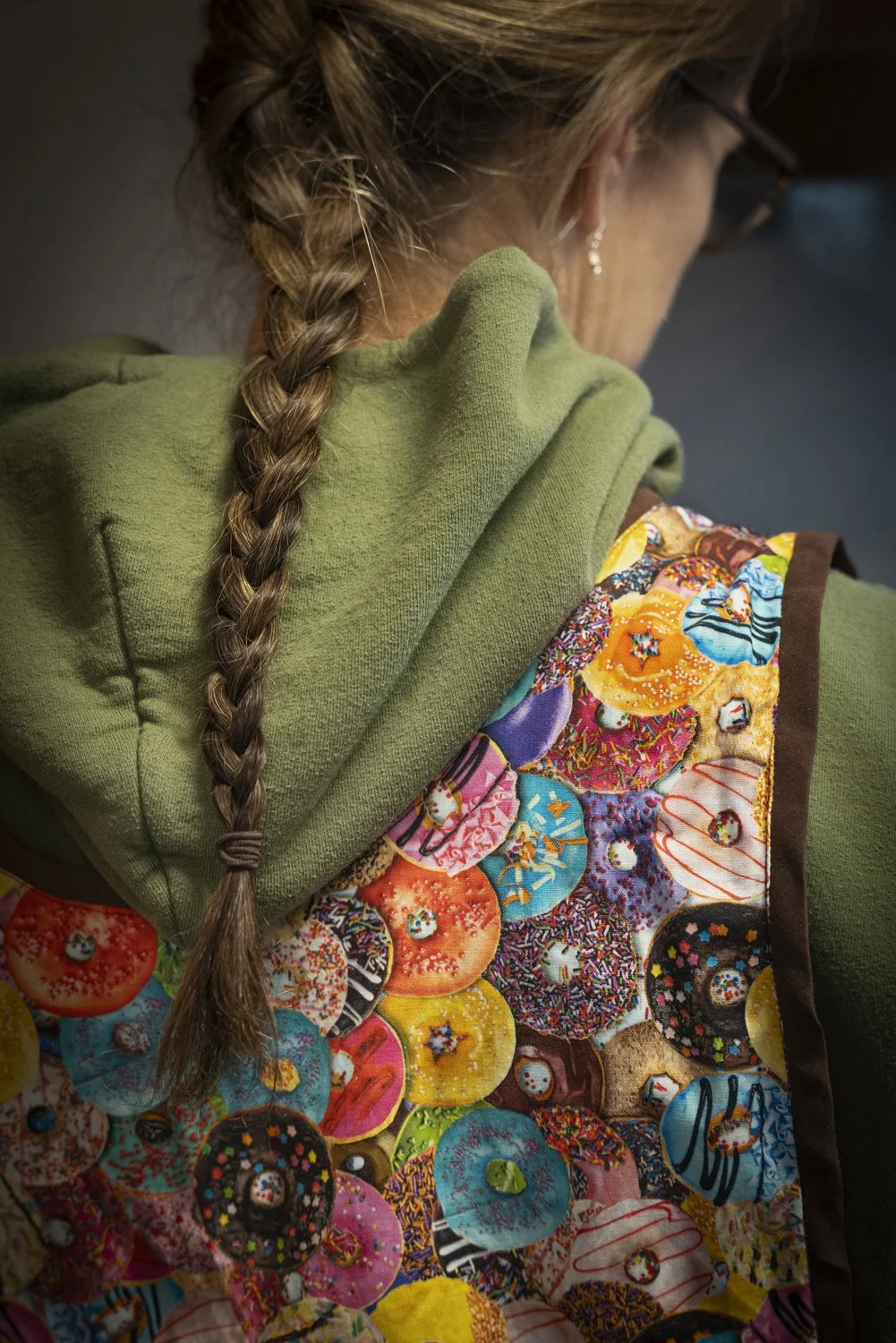
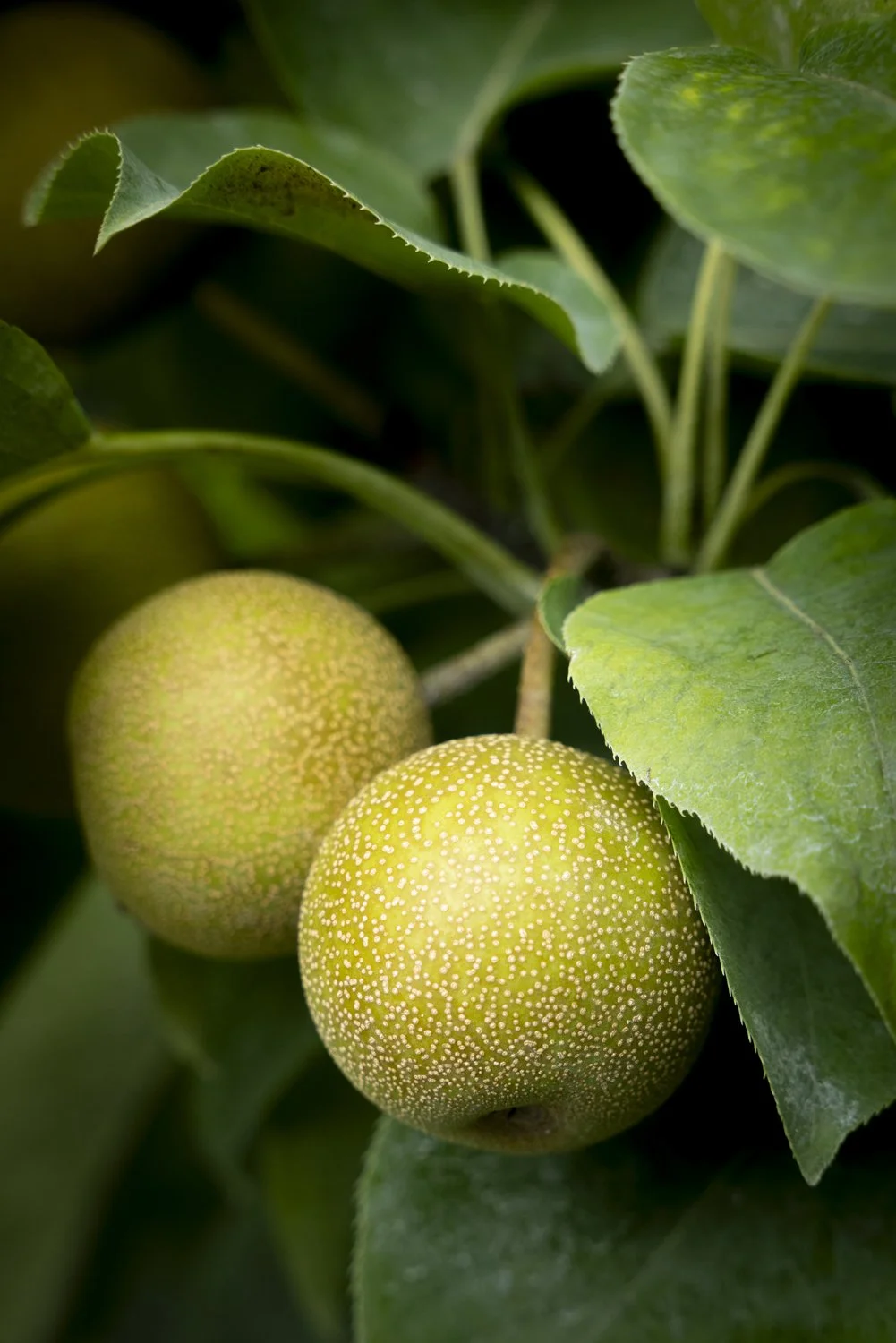
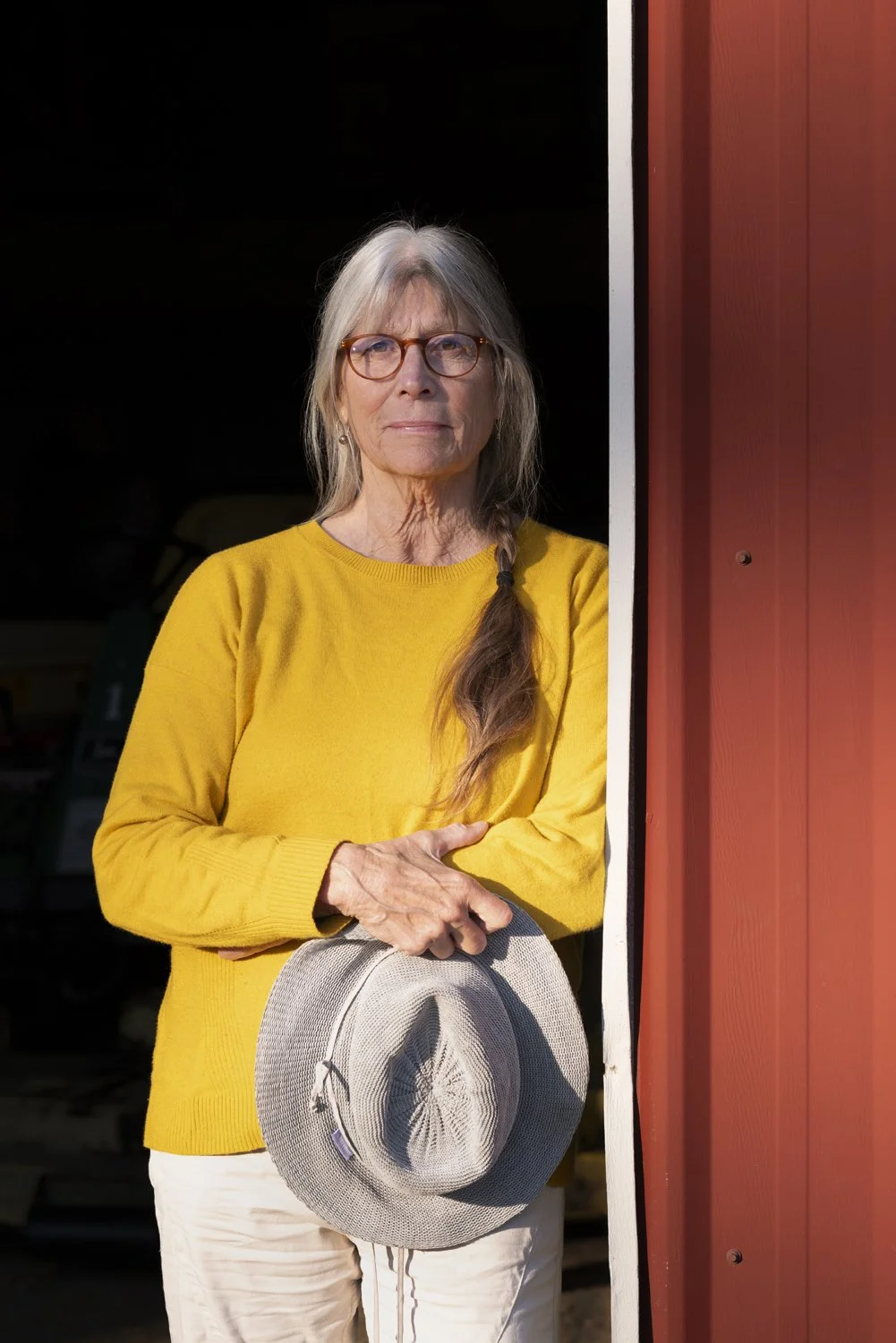
“Trees take care of each other, connecting through their roots. They share nutrients and release scents to keep pests away and always help weaker trees defend themselves. Fruit trees show resilience, always giving and growing as well as they can.”

– Linda Hoffman, Old Frog Pond Farm, Harvard, MA


ORCHARD WOMEN OF HARVARD / 2026

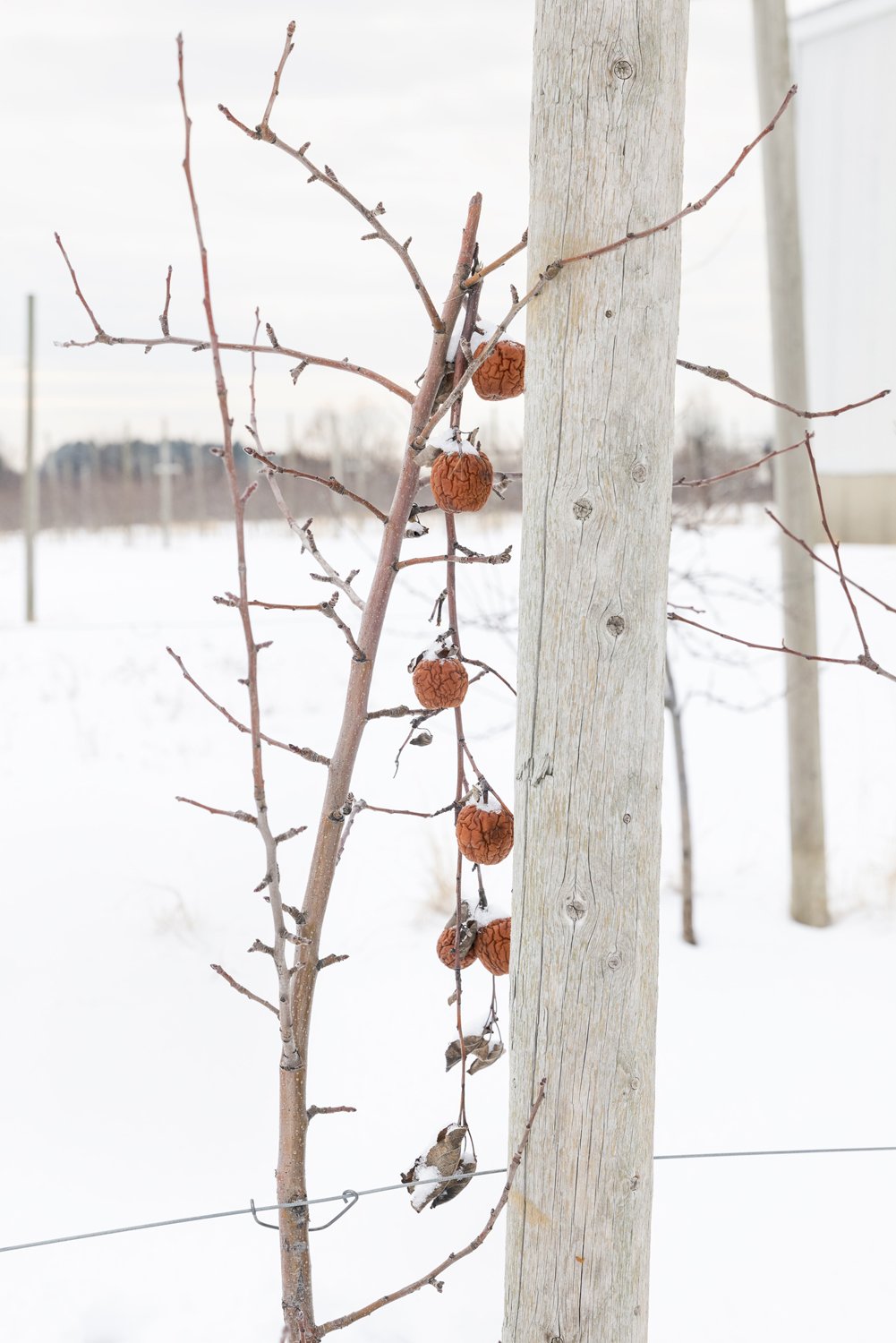
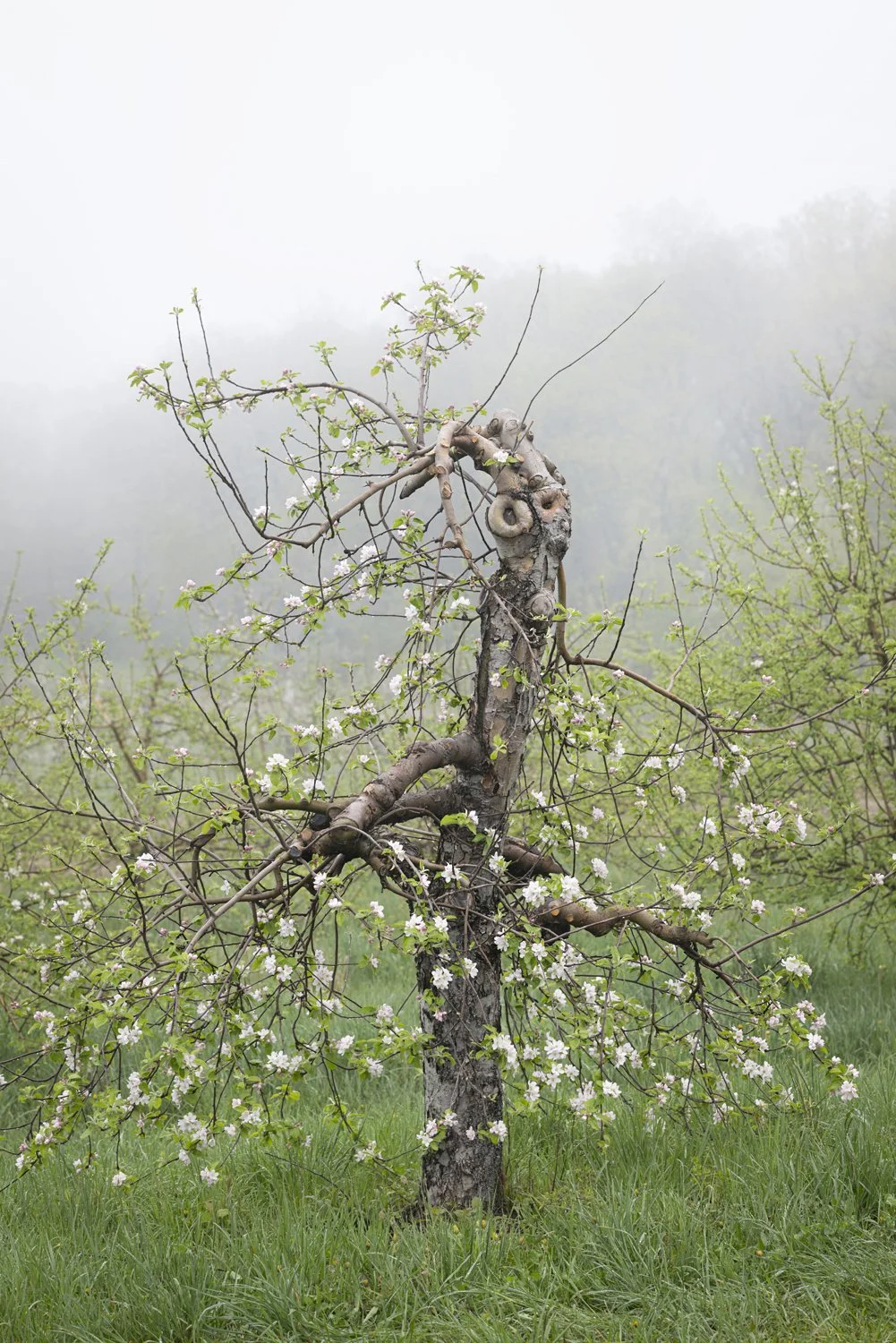
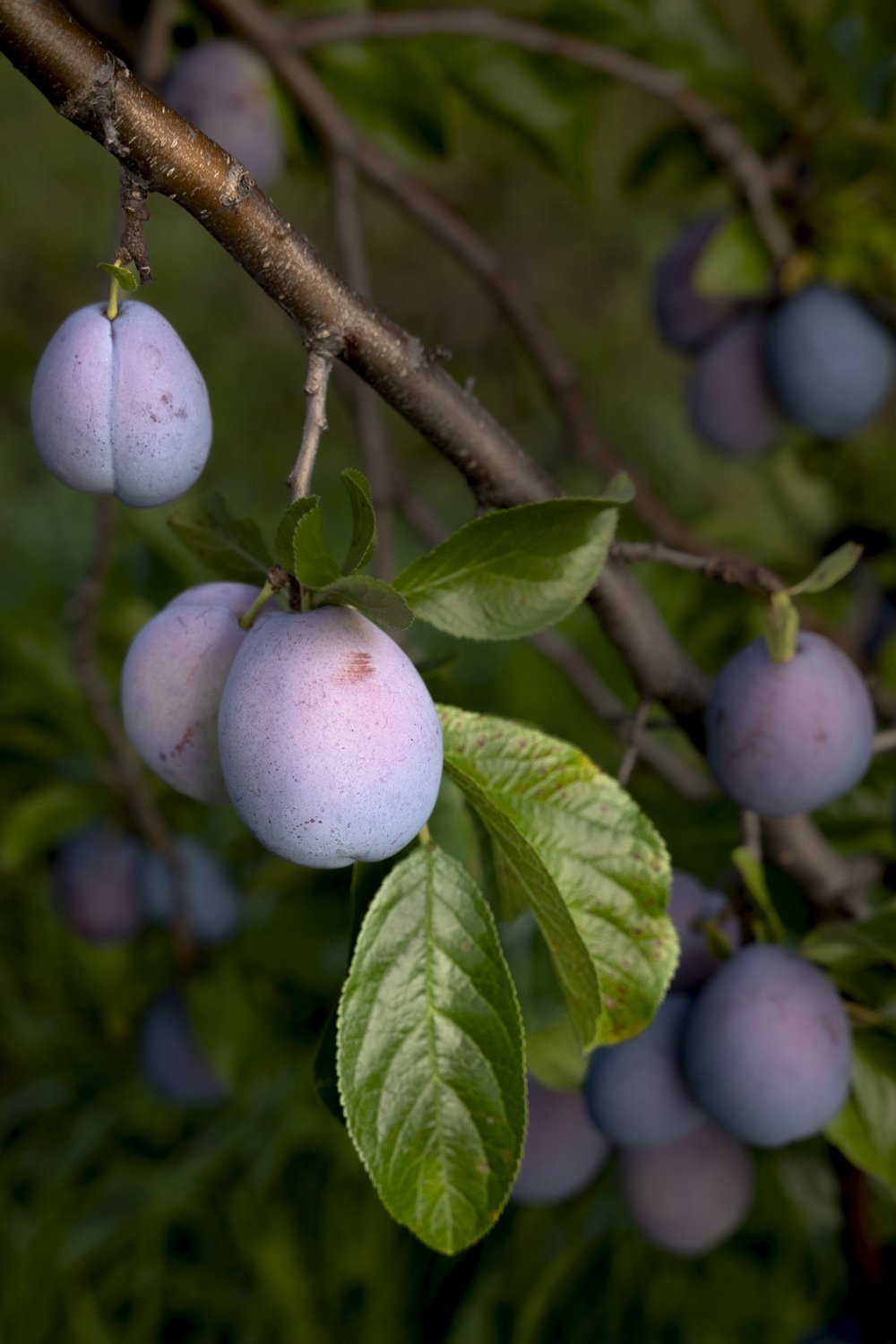
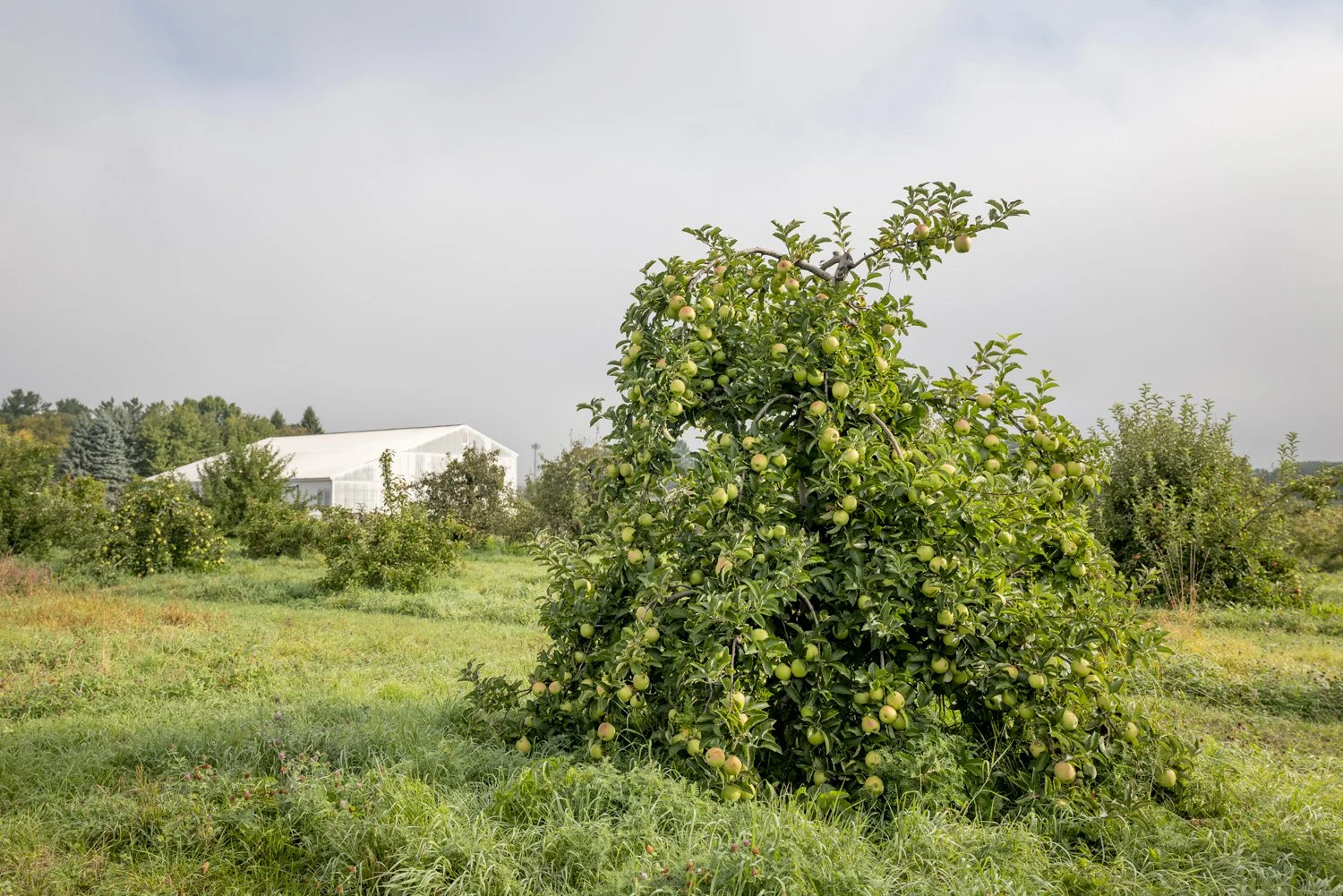
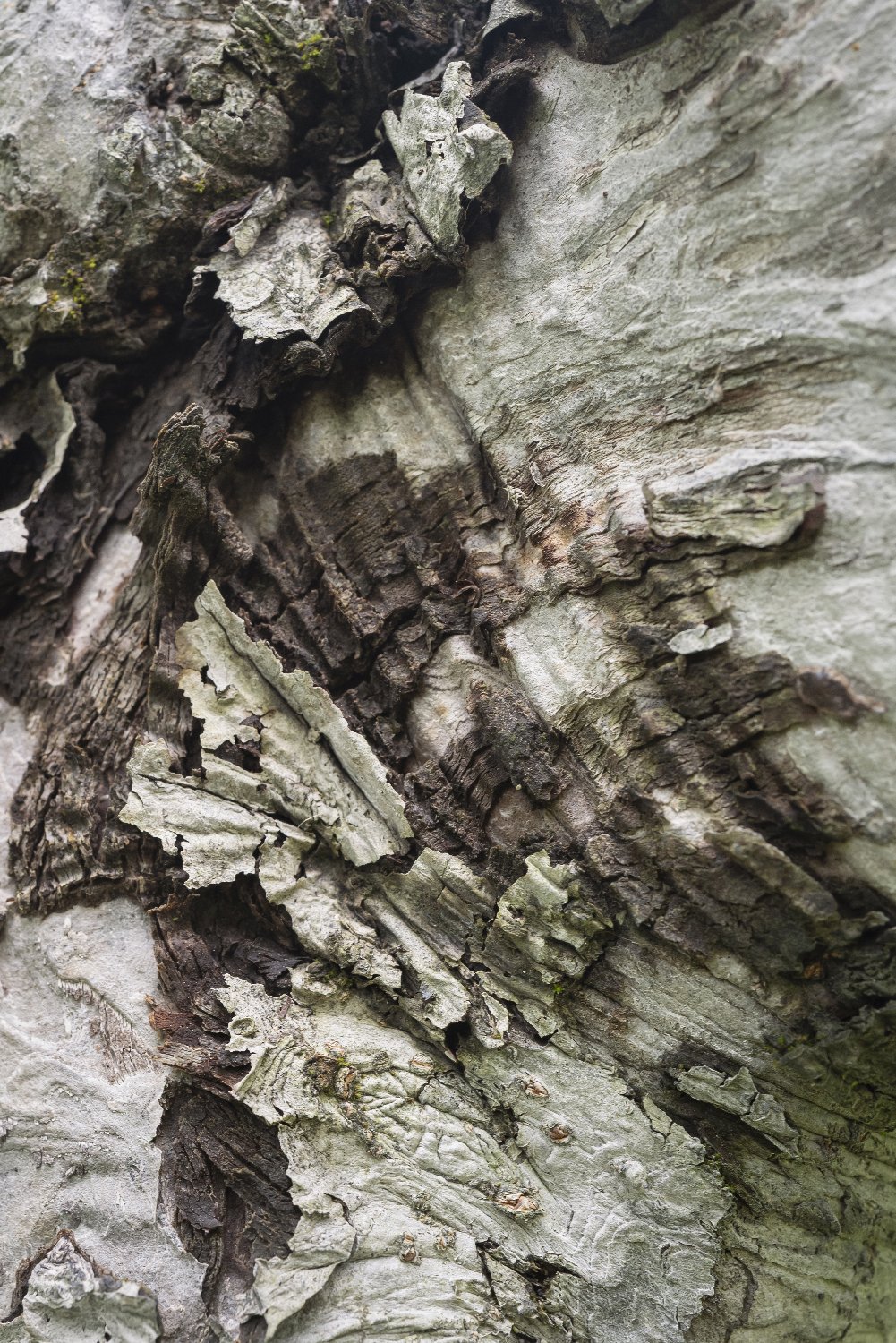
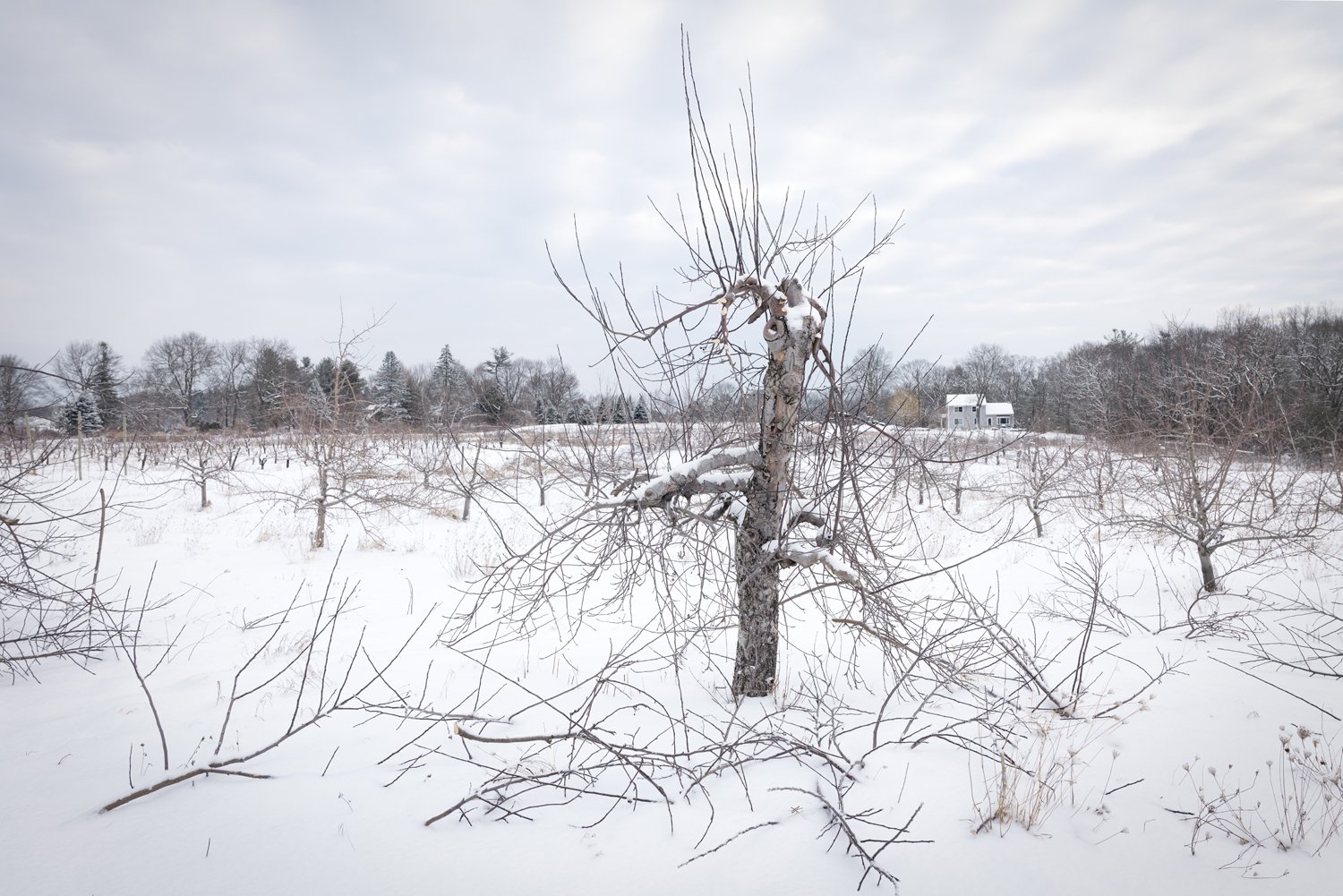
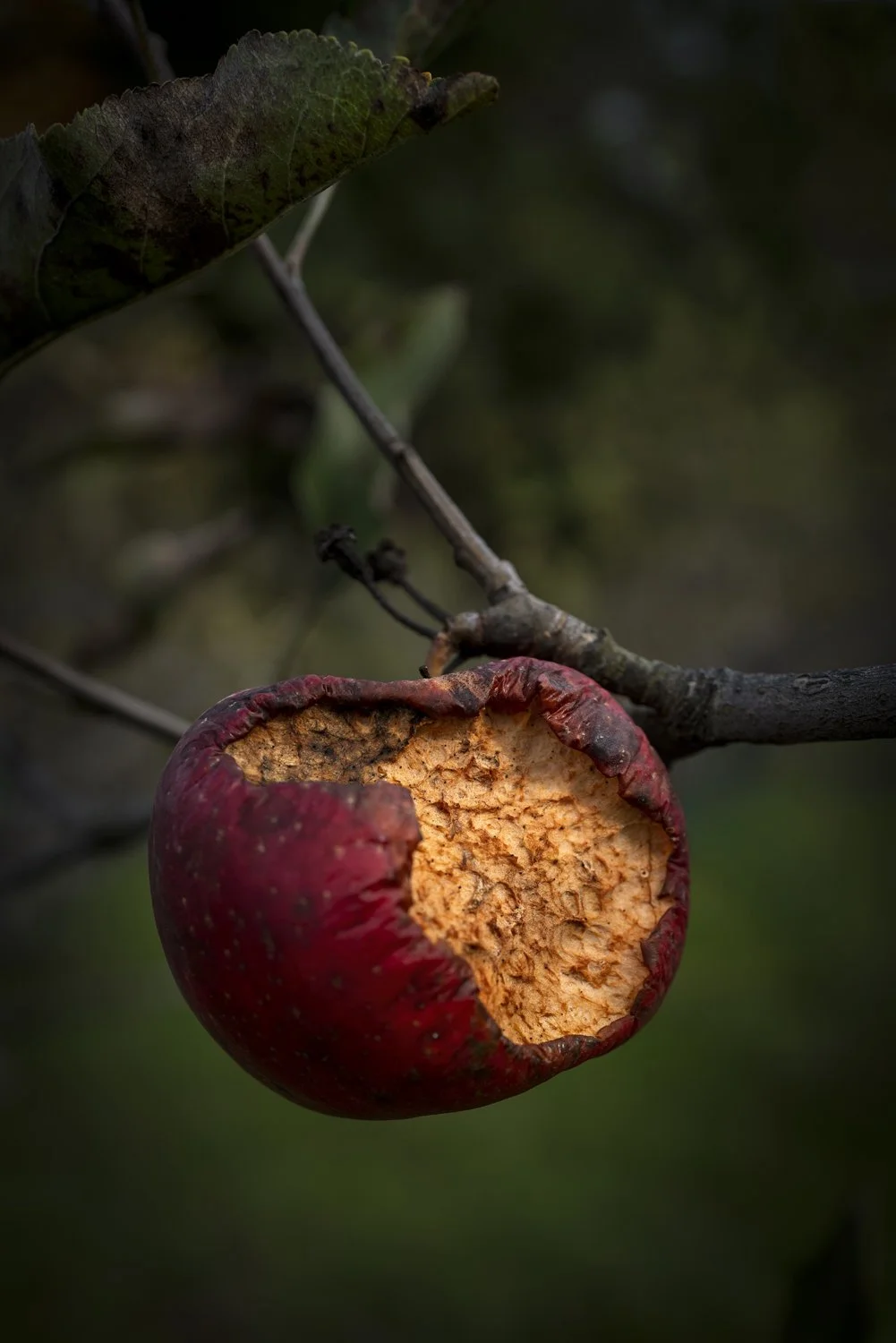
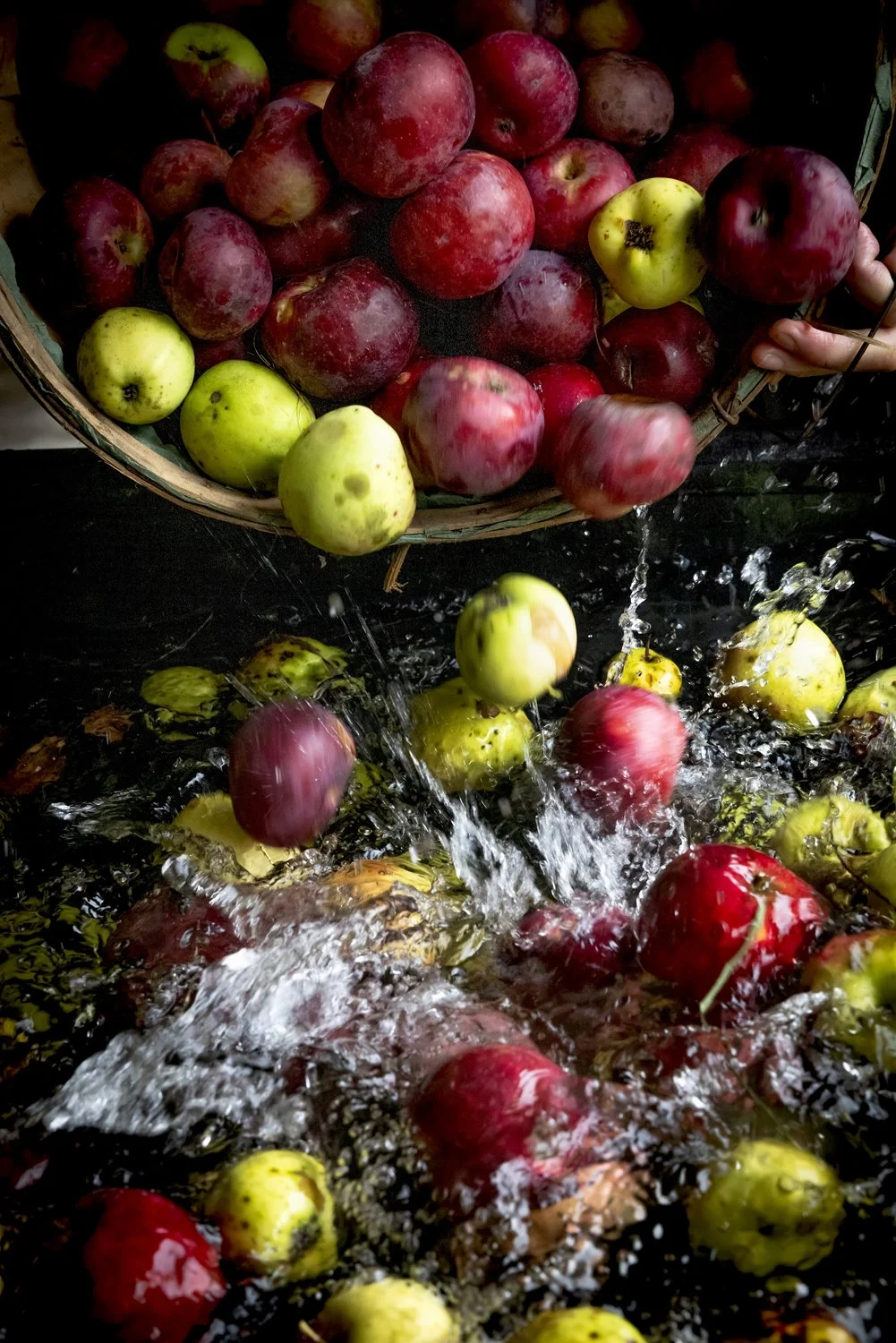
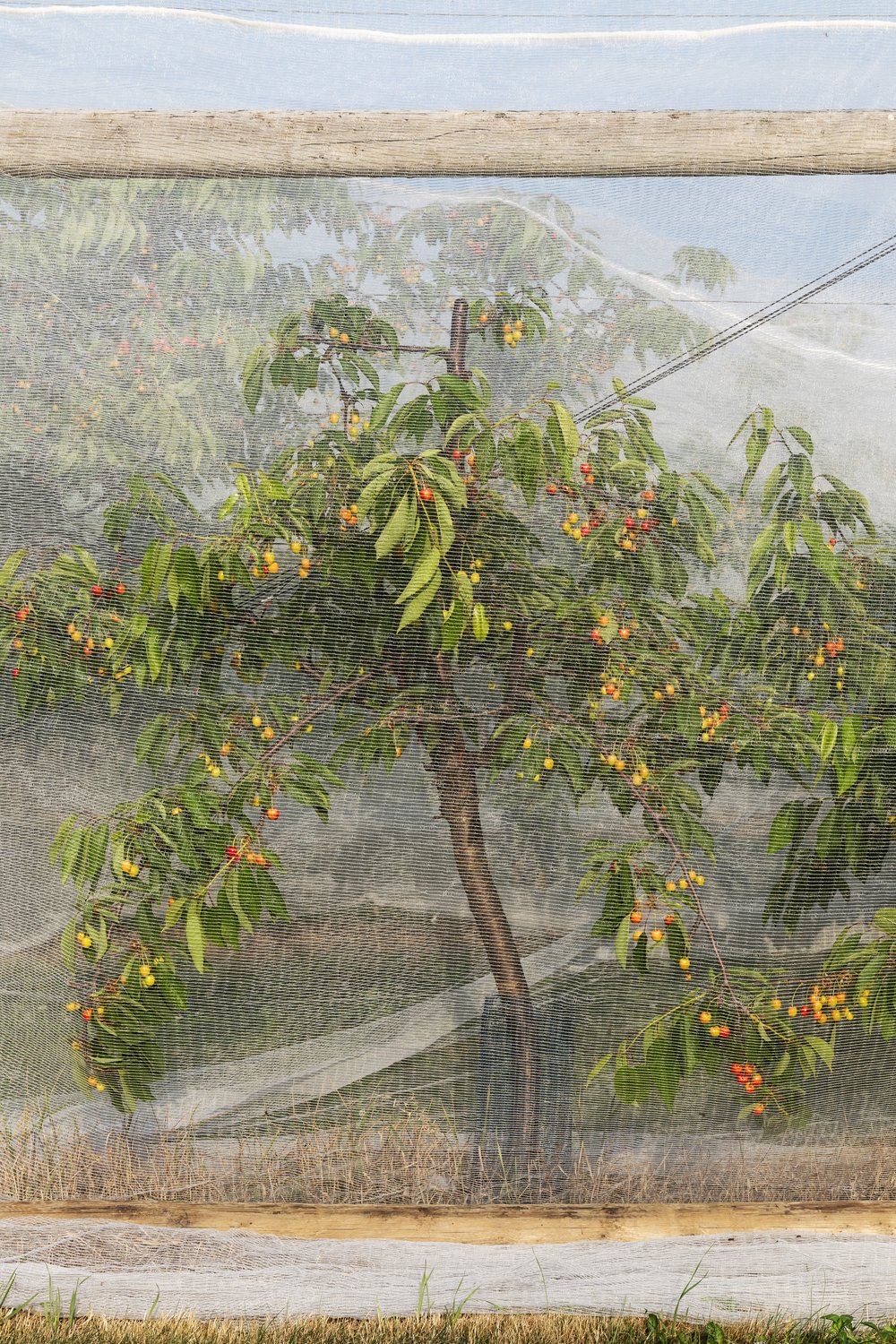
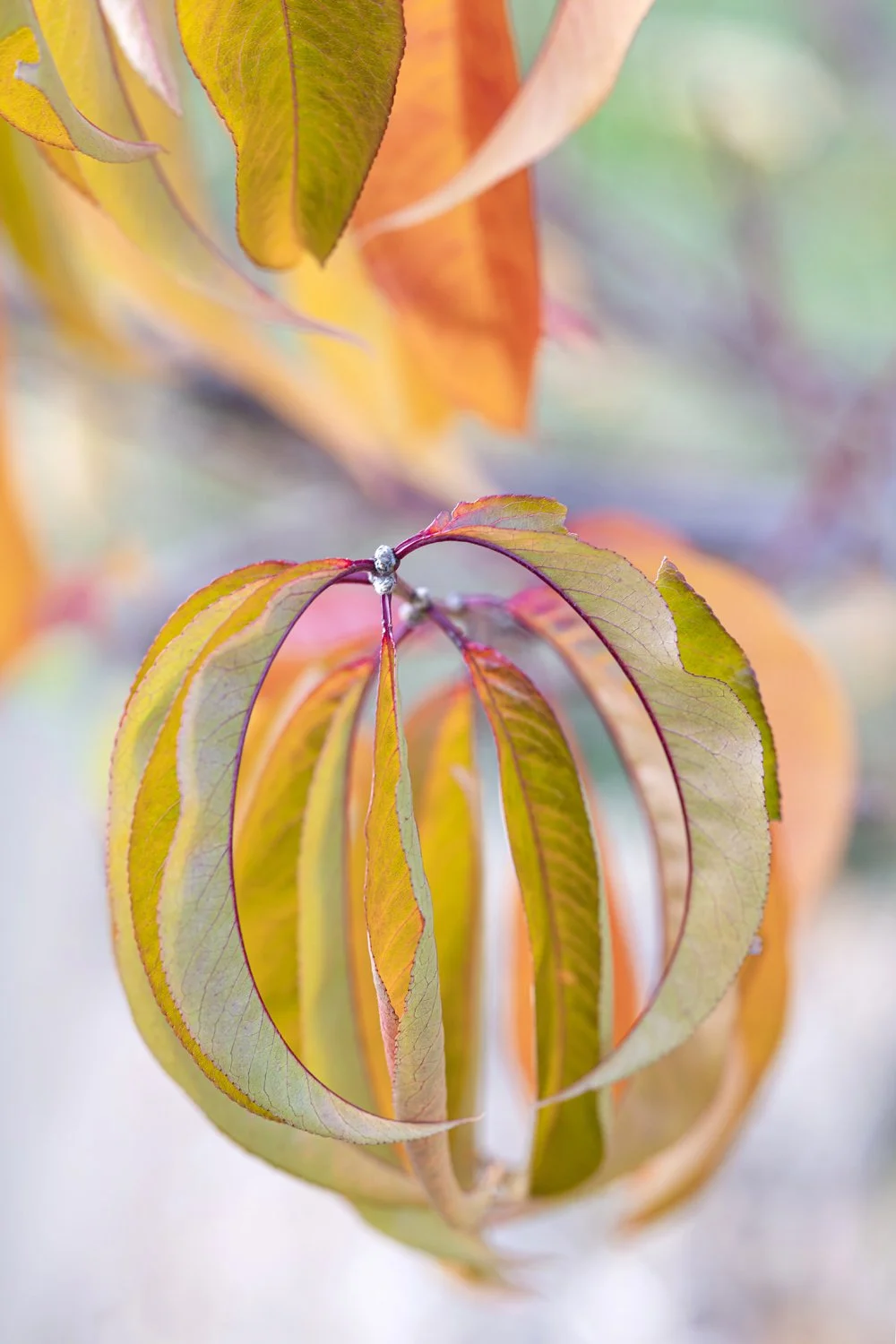
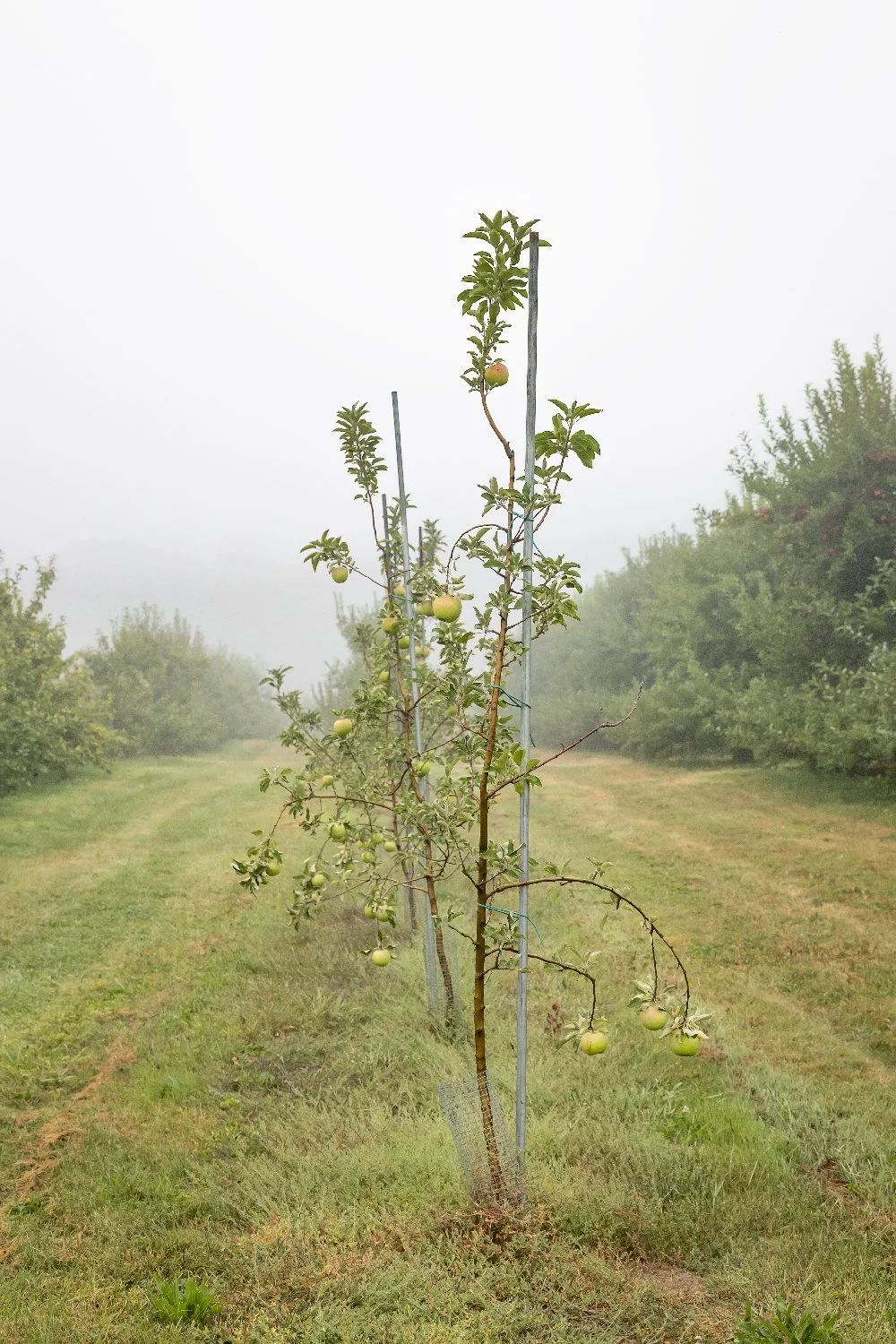
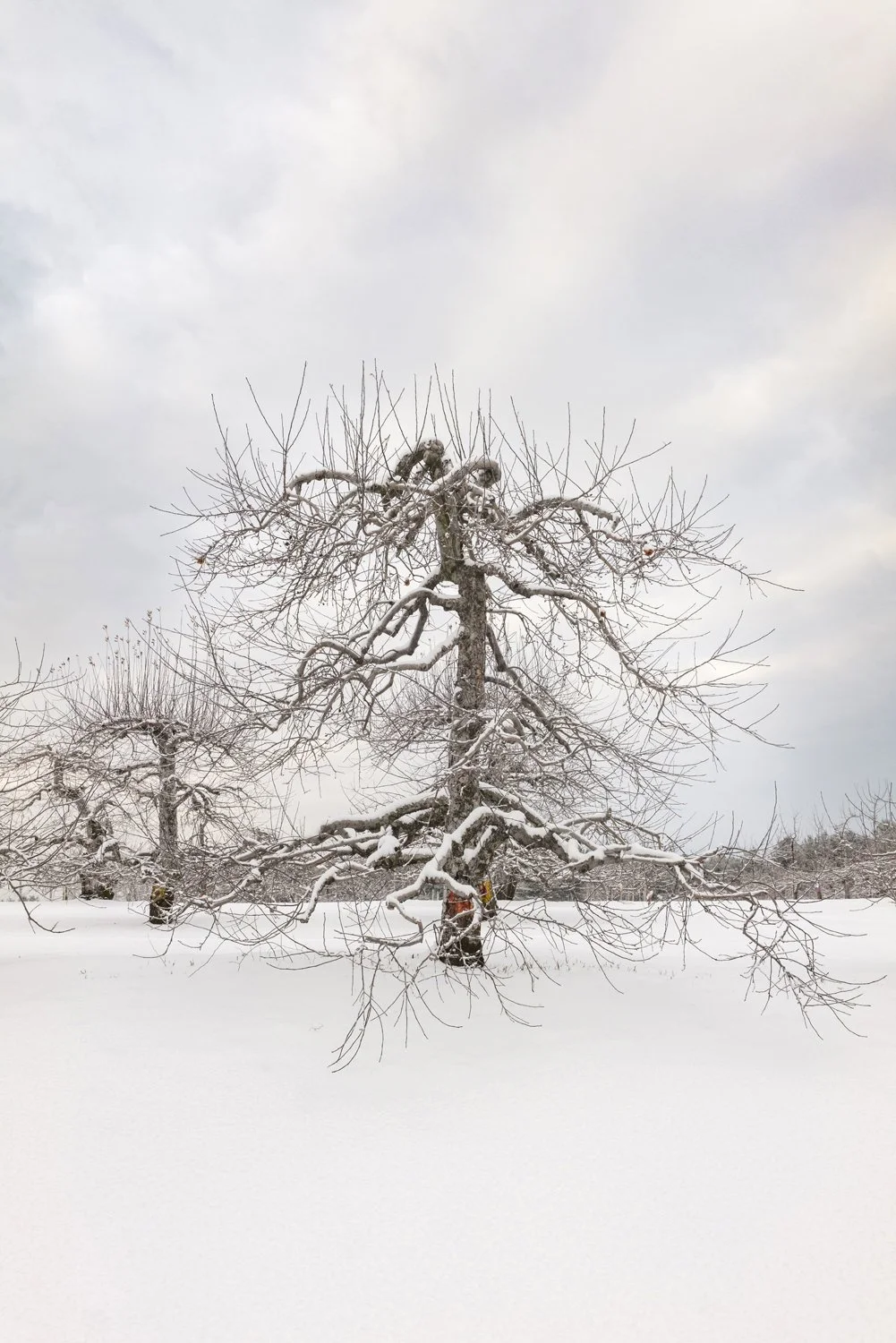
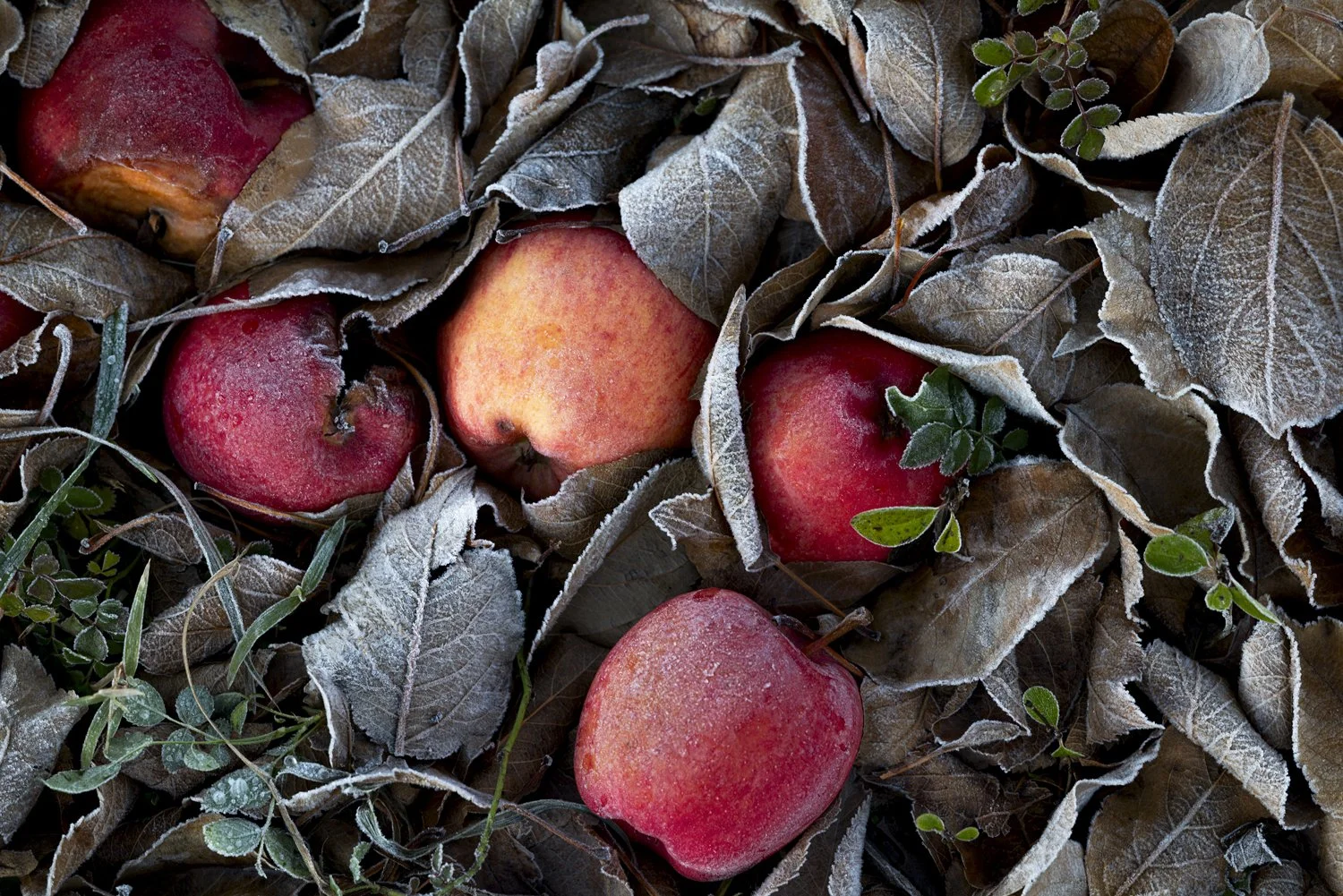
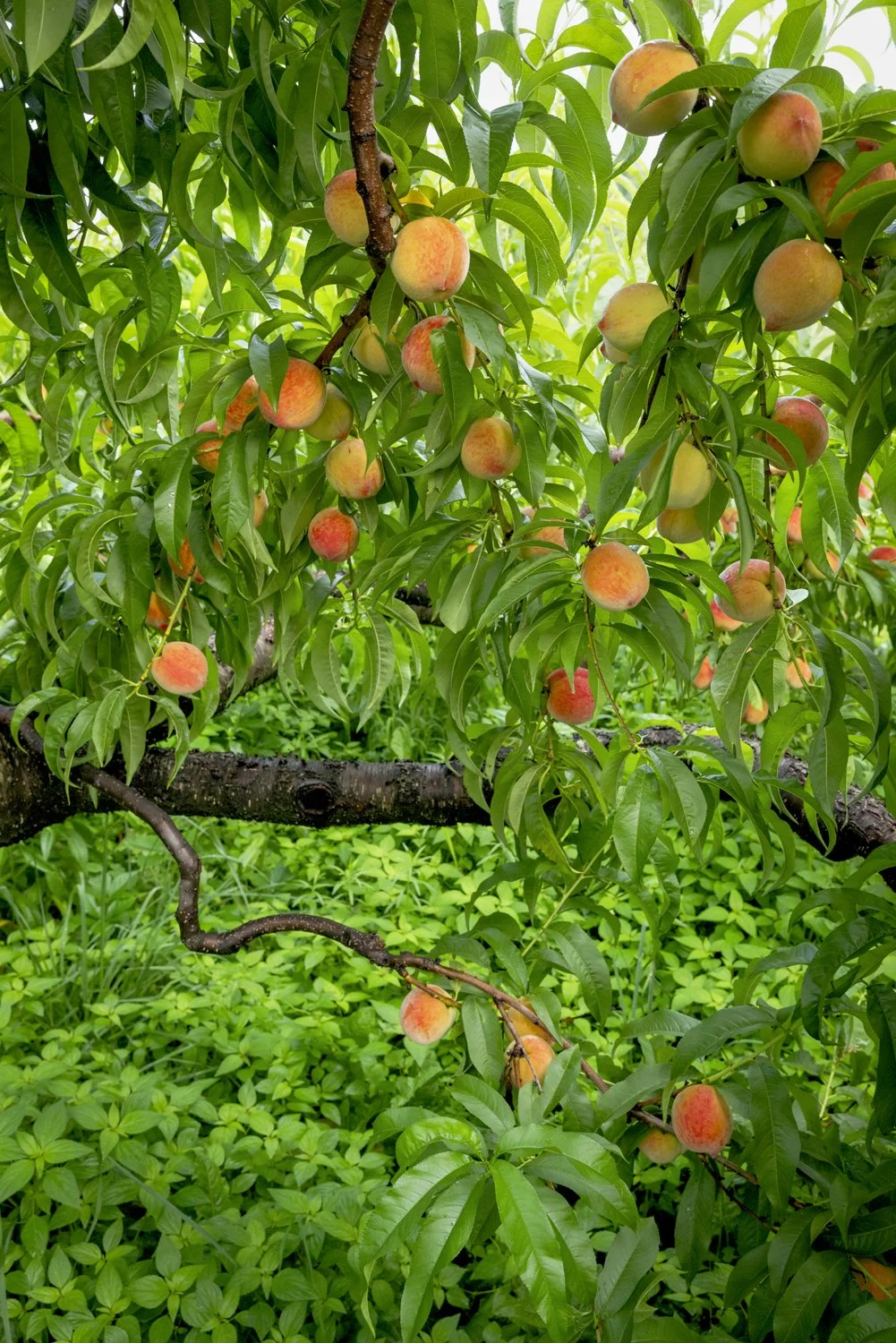
In a fruit orchard, simplicity intertwines with hard work and intention. There is a deep and abiding connection between the people who labor here and the land they cherish. As I walk through the orchards in Harvard, Massachusetts, I see poetry everywhere, but what strikes me most is how distinctly feminine these orchards seem. Young heirloom apple trees bend with branches laden with fruit. Cherry trees draped in veil-like netting keep birds out and the trees firmly in their place. A strand of aging apples, like tarnished pearls, has been overlooked and ignored, but is beautiful, nonetheless. Purple plums, still holding their bloom, seduce the viewer. And a lone peach tree in winter stands poised over the fields like a vigilant mother wearing a beautiful crown.

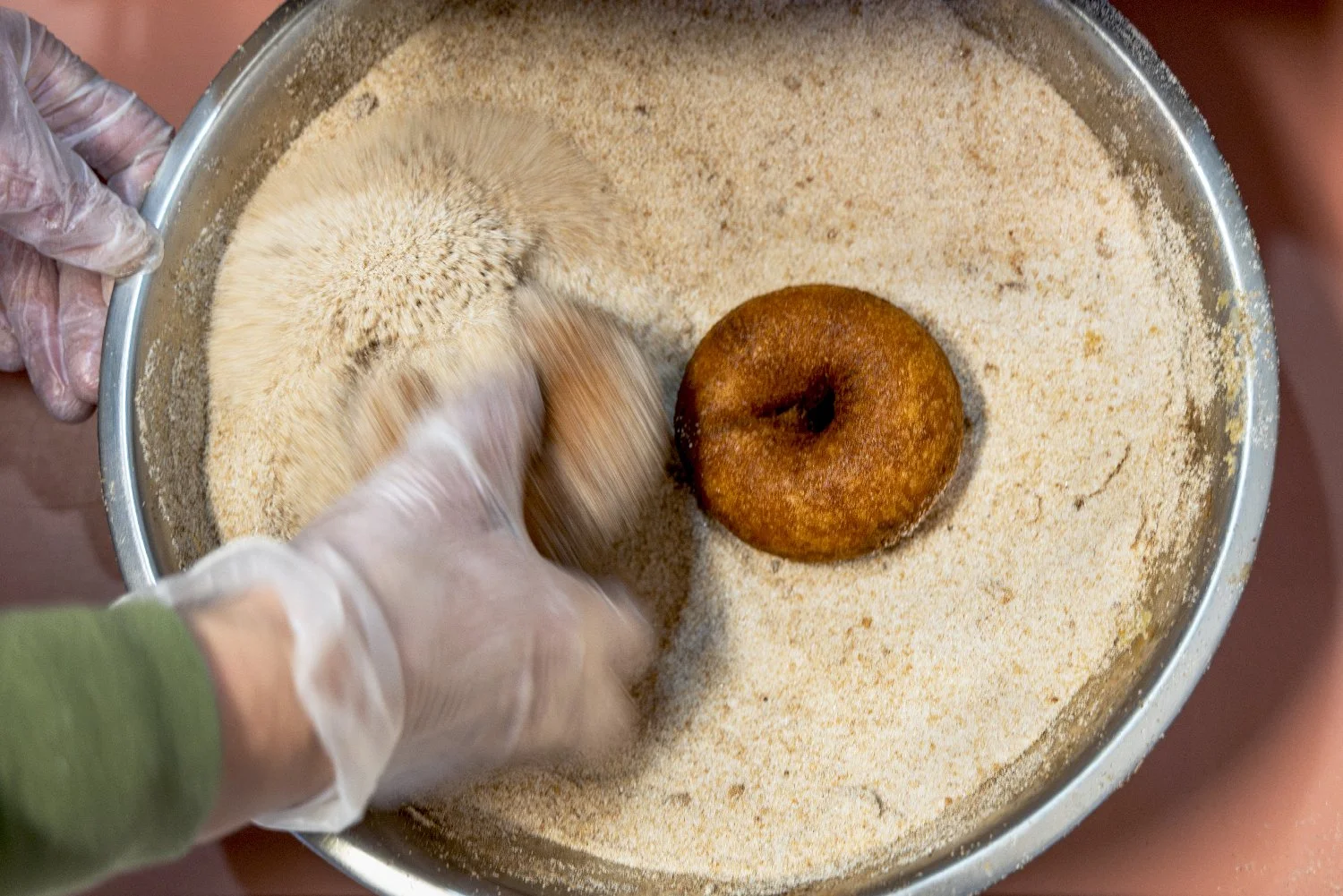
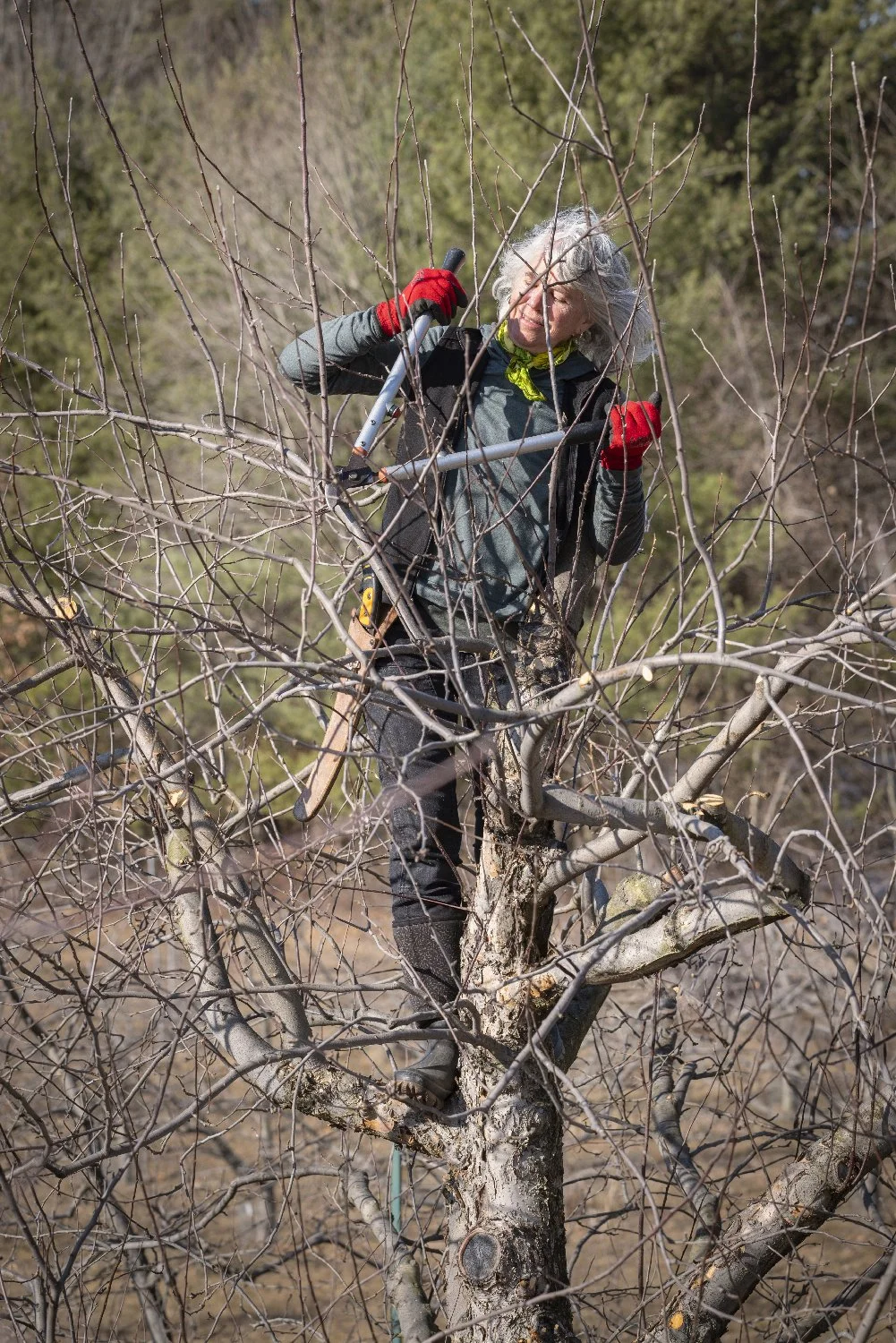
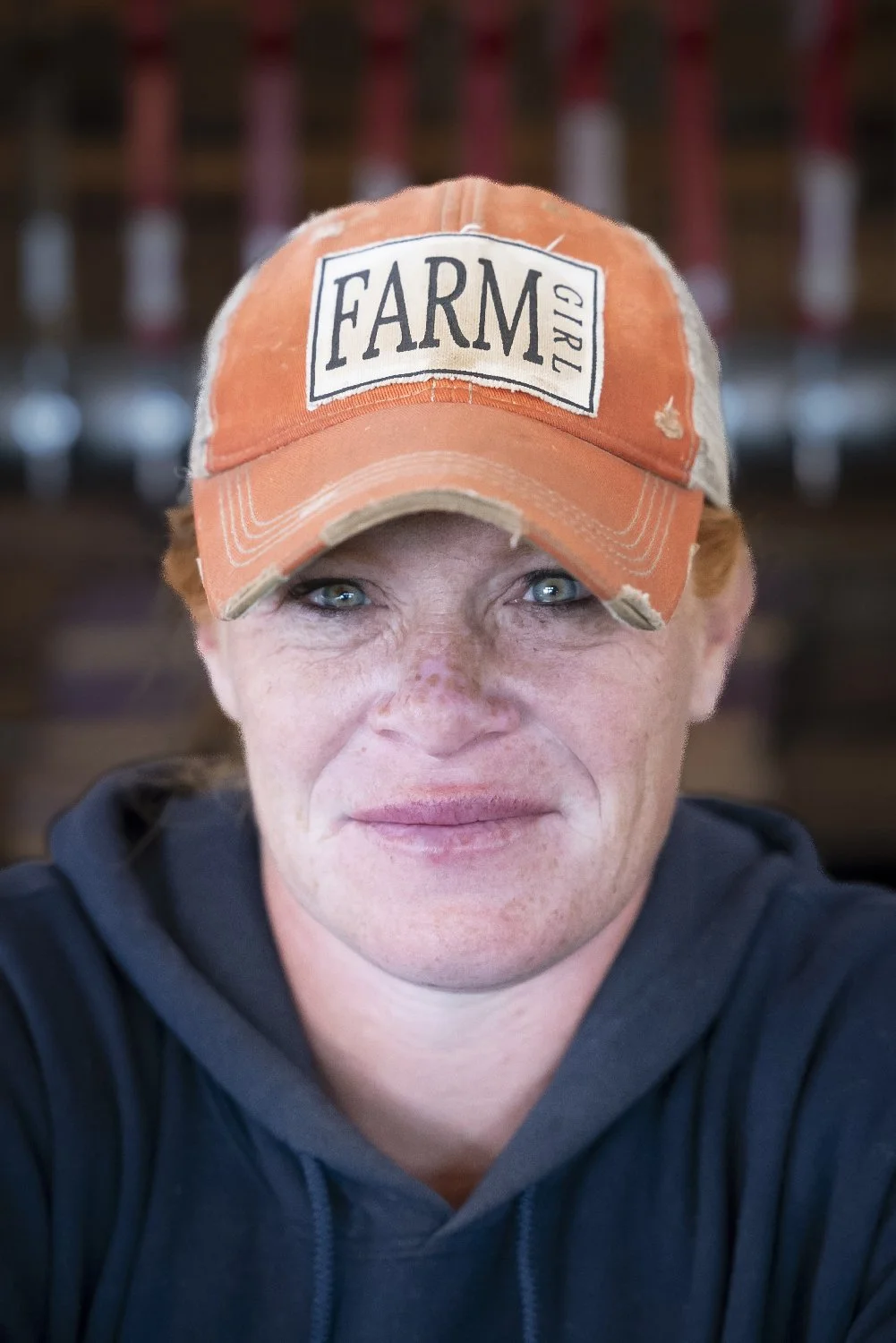
Harvard is home to four primary orchards, each owned and managed by women. Two grew up in the business, one married into it, and one revived an abandoned orchard and made it organic. These women, whose ages span generations, are strong and productive like their fruit trees. Both the women and their trees embody beauty, resilience, and hope, while providing rootedness and nourishment for their community. Their fruit is precious, deserving of love and appreciation.

The United Nations declared 2026 the “International Year of the Woman Farmer” to spotlight the central role women play across agrifood systems in food security, nutrition, and economic resilience. This project honors these local women: Pam Lawson of Doe Orchards, Stephanie Green O’Keefe of Westward Orchards, Katie Carlson of Carlson Orchards, and Linda Hoffman of Old Frog Pond Farm.